
Classic & Collectible Vehicles
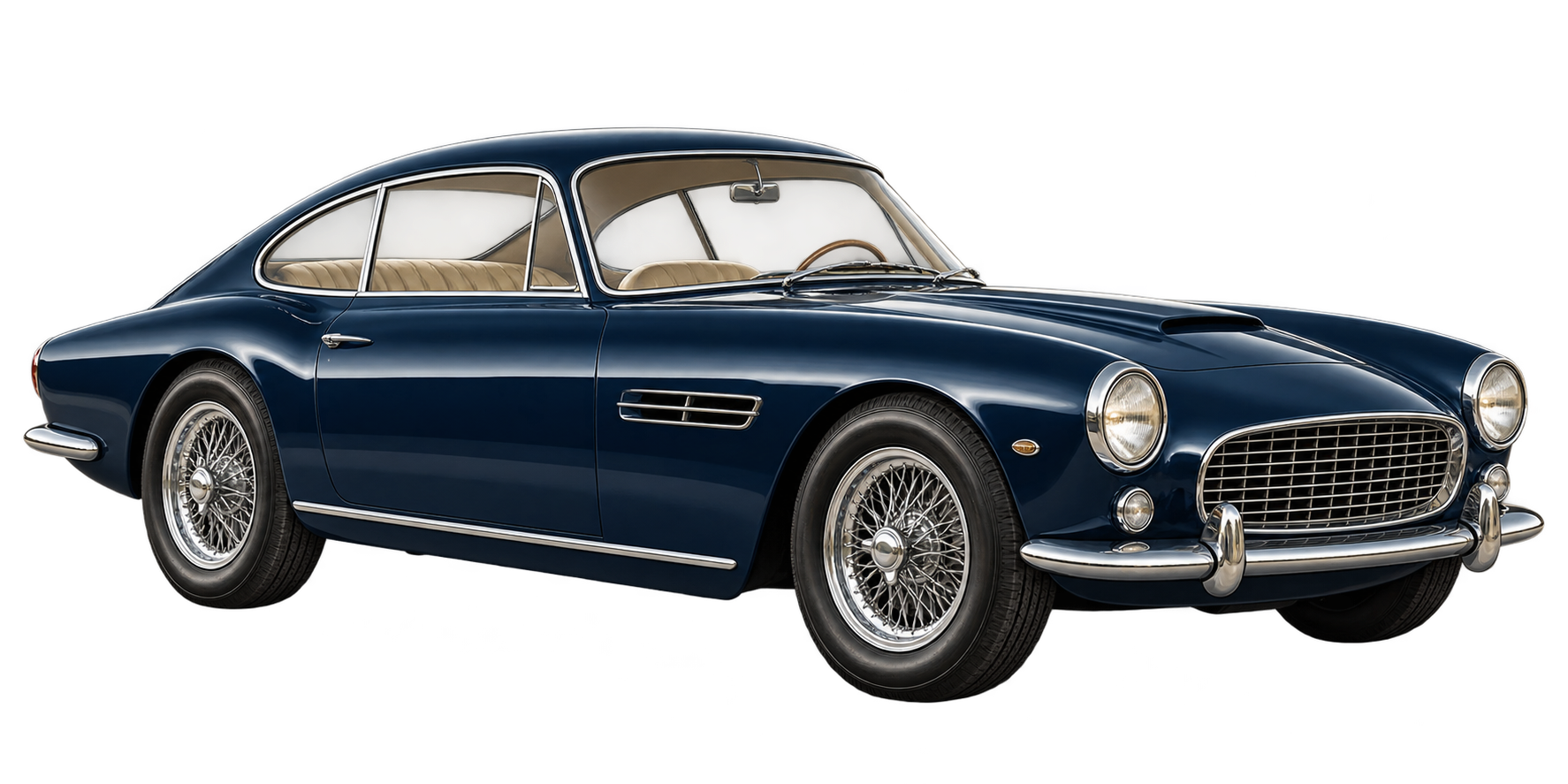
Classic & Collectible Vehicles: Heritage, Character, and Lasting Value
Classic and collectible vehicles preserve important periods of automotive design, engineering, culture, and competition. This guide explains their principal categories, historical significance, condition and authenticity requirements, ownership demands, value considerations, and the types of buyers each category commonly serves.
What Defines a Classic or Collectible Vehicle
A classic or collectible vehicle is valued for more than basic transportation. Age, rarity, design, engineering, competition history, cultural importance, originality, condition, documentation, and market demand may all contribute to its significance. Not every old vehicle is collectible, and a professionally restored example may differ greatly in value from an original, preserved vehicle.
Main Classic & Collectible Vehicle Categories
Classic and collectible vehicles differ greatly in age, rarity, condition, originality, historical importance, usability, and market value. Understanding the principal categories helps buyers compare authenticity, restoration quality, maintenance needs, parts availability, storage requirements, driving experience, and long-term collectibility.
Antique & Prewar Vehicles
Antique and prewar vehicles represent the earliest periods of motoring and are valued for historical importance, craftsmanship, rarity, and mechanical simplicity. Buyers should verify identity, provenance, originality, restoration quality, structural condition, engine completeness, parts availability, safe operating condition, specialist support, and appropriate transport and storage.
Postwar Classics
Postwar classics reflect major advances in styling, performance, manufacturing, and personal mobility from the late 1940s onward. Buyers should compare originality, rust and corrosion, body repairs, matching identification numbers where relevant, interior condition, mechanical history, restoration documentation, parts supply, roadworthiness, and current market demand.
Classic Sports & Grand Touring Cars
Classic sports and grand touring cars combine distinctive styling, engaging performance, and strong enthusiast appeal. Buyers should investigate chassis and body condition, engine and gearbox history, accident repairs, originality, period-correct components, competition use, restoration quality, specialist maintenance records, parts availability, and the cost of correcting deferred work.
Classic Muscle & Performance Cars
Classic muscle and performance cars are valued for powerful engines, bold styling, cultural significance, and strong enthusiast communities. Buyers should verify factory specifications, identification numbers, engine authenticity, structural condition, corrosion, modifications, accident history, drivetrain condition, restoration quality, documentation, and whether claimed rare options are genuine.
Historic Luxury & Prestige Cars
Historic luxury and prestige cars showcase exceptional craftsmanship, comfort, materials, engineering, and social significance. Buyers should carefully evaluate body and trim condition, wood and leather restoration, hydraulic or pneumatic systems where fitted, electrical equipment, mechanical completeness, maintenance history, specialist labor requirements, parts availability, and storage needs.
Modern Classics & Future Collectibles
Modern classics and future collectibles are newer vehicles gaining interest because of distinctive design, limited production, unusual engineering, cultural influence, performance, or the end of a particular technology. Buyers should compare specification, rarity, mileage, condition, ownership history, modifications, documentation, maintenance costs, parts support, and realistic market demand.
Classic & Collectible Ownership Strengths and Considerations
Classic and collectible vehicle ownership can provide historical connection, distinctive design, engaging mechanical character, community involvement, and possible long-term value, but the correct purchase depends heavily on authenticity, condition, provenance, restoration quality, specialist support, storage, intended use, and total ownership cost.
Common Ownership Strengths
Classic and collectible vehicles are commonly valued for historical importance, distinctive styling, craftsmanship, mechanical character, rarity, preservation of automotive heritage, enthusiast-community support, and memorable ownership experiences. Carefully selected and properly maintained examples may also retain value or appreciate over time.
Important Buying Considerations
Buyers should verify identity, title, provenance, originality, identification numbers, accident or flood exposure, corrosion, structural repairs, restoration quality, mechanical condition, documentation, mileage claims, modifications, parts availability, specialist support, insurance eligibility, secure storage, transport requirements, and destination-country import rules.
Who Classic & Collectible Vehicles Commonly Suit
Classic and collectible vehicles commonly suit enthusiasts, collectors, preservation-minded owners, investors, museums, event participants, and buyers seeking distinctive vehicles with historical or personal significance. The best choice still depends on budget, mechanical knowledge, intended use, authenticity expectations, storage, maintenance access, parts supply, and long-term ownership plans.
Need Help Choosing the Right Classic or Collectible Vehicle?
Tell us your preferred era, brands, vehicle type, budget, condition expectations, intended use, and destination. AutoLantic can help identify suitable classic and collectible vehicles, inspection priorities, authentication needs, sourcing options, and international transport considerations.
REQUEST CLASSIC VEHICLE GUIDANCE