Armored & Special-Purpose Vehicles
Armored & Special-Purpose Vehicles: Protection, Capability, and Mission Readiness
Armored and special-purpose vehicles are designed or modified to provide enhanced protection, specialized mobility, operational capability, or support for demanding assignments. This guide explains their principal categories, construction and certification requirements, inspection priorities, ownership demands, and the types of users each category commonly serves.
What Defines an Armored or Special-Purpose Vehicle
An armored vehicle incorporates protective materials, reinforced structures, specialized glass, upgraded suspension, braking, tires, and other systems intended to reduce exposure to defined threats. A special-purpose vehicle is configured for a particular professional, emergency, security, industrial, medical, governmental, or mobility-related task. Capability depends on verified design, certification, condition, payload, and intended use.
Main Armored & Special-Purpose Vehicle Categories
Armored and special-purpose vehicles differ greatly in protection level, payload, mobility, equipment, certification, operating environment, and legal requirements. Understanding the principal categories helps buyers compare mission suitability, conversion quality, maintenance needs, transport limitations, documentation, operating costs, and destination-country compliance.
Armored Luxury Sedans
Armored luxury sedans combine discreet protection with passenger comfort, formal appearance, and refined road manners. Buyers should verify the protection standard, conversion company, certification, added weight, glass condition, door operation, suspension and brake upgrades, tire specification, maintenance history, payload limits, and availability of qualified service.
Armored SUVs & Utility Vehicles
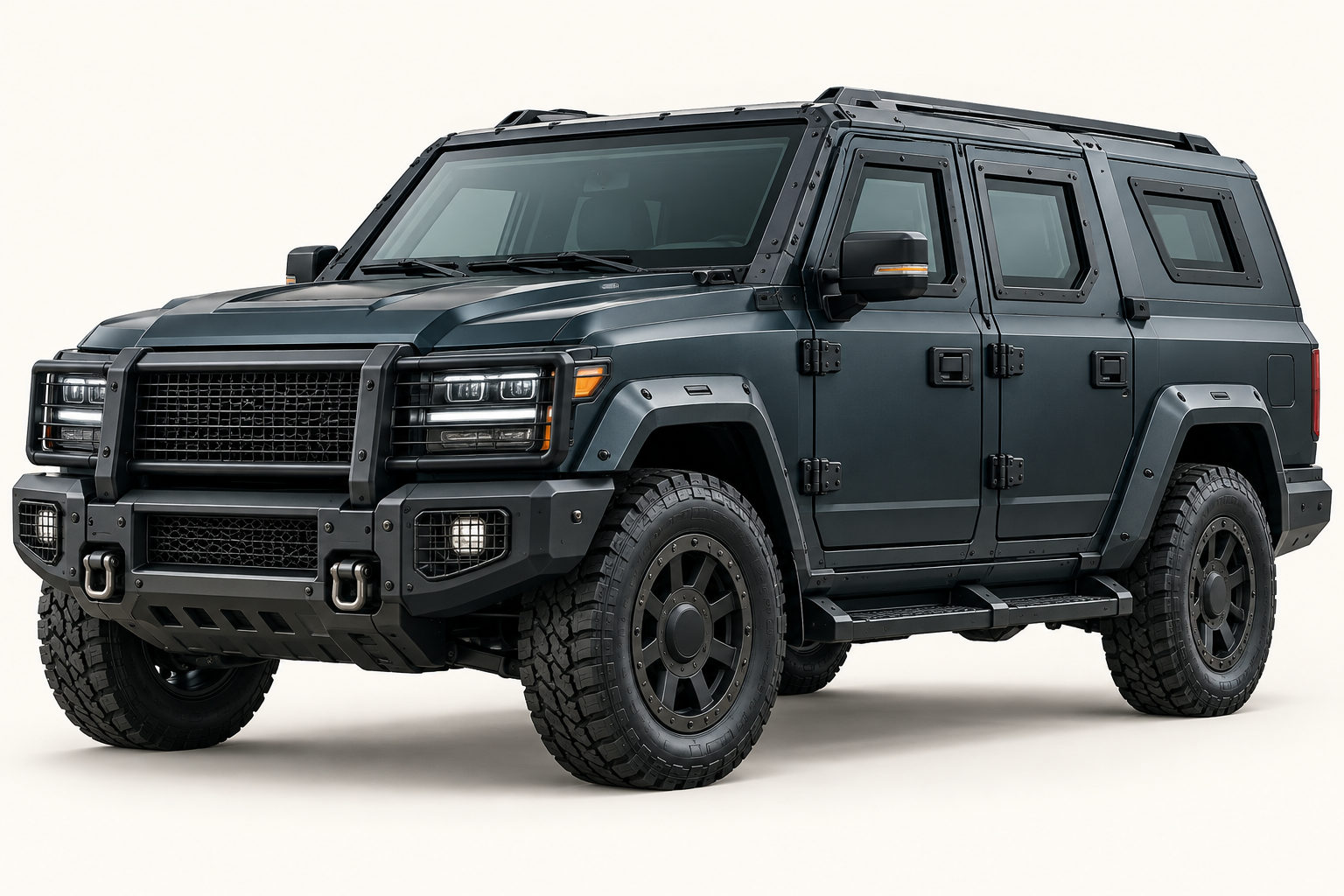
Armored SUVs and utility vehicles provide increased passenger space, payload capacity, ground clearance, and adaptability for varied road conditions. Buyers should compare verified protection level, conversion quality, total weight, drivetrain capability, suspension, brakes, run-flat system, cooling, door hinges, fuel use, road conditions, and destination-country service support.
Cash-in-Transit & Secure Transport Vehicles
Cash-in-transit and secure transport vehicles are configured to move currency, valuables, sensitive materials, or protected personnel under controlled procedures. Buyers should verify legal eligibility, protection certification, locking and access systems, payload rating, compartment condition, communications equipment, conversion integrity, maintenance records, insurance requirements, and destination-country regulations.
Emergency & Medical Response Vehicles
Emergency and medical response vehicles include ambulances, rescue units, rapid-response vehicles, and specialized support platforms. Buyers should evaluate regulatory compliance, conversion quality, electrical capacity, equipment mounting, sanitation, climate control, payload, suspension, braking, service history, warning systems, replacement-part support, and whether installed equipment remains certified and usable.
Mobile Command & Communications Vehicles
Mobile command and communications vehicles support coordination, field operations, broadcasting, surveillance, disaster response, or temporary communications. Buyers should inspect power generation, batteries, wiring, cooling, antenna and equipment mounts, interior workspaces, payload, structural modifications, system compatibility, documentation, maintenance history, and local licensing requirements.
Industrial & Mobile Workshop Vehicles
Industrial and mobile workshop vehicles support construction, utilities, maintenance, recovery, field repair, and other specialized operations. Buyers should compare chassis capacity, body conversion quality, equipment condition, power and hydraulic systems, payload, weight distribution, structural integrity, maintenance records, operator requirements, parts support, transport dimensions, and destination-country compliance.
Armored & Special-Purpose Ownership Strengths and Considerations
Armored and special-purpose vehicle ownership can provide enhanced protection, specialized capability, operational efficiency, and equipment tailored to demanding assignments, but the correct purchase depends heavily on verified specifications, conversion quality, legal compliance, payload, operating environment, specialist support, and total ownership cost.
Common Ownership Strengths
Armored and special-purpose vehicles are commonly valued for enhanced occupant protection, mission-specific equipment, secure transport, increased operational capability, durable construction, adaptable workspaces, and the ability to support professional, emergency, industrial, medical, governmental, or security-related assignments.
Important Buying Considerations
Buyers should verify the vehicle’s legal status, protection or conversion certification, exact specifications, title and ownership history, accident or flood exposure, conversion company, added weight, payload rating, structural integrity, glass and door condition, suspension, brakes, tires, electrical systems, maintenance records, insurance eligibility, transport restrictions, and destination-country regulations.
Who Armored & Special-Purpose Vehicles Commonly Suit
Armored and special-purpose vehicles commonly suit security-conscious individuals, corporations, government agencies, diplomatic users, emergency services, medical providers, utilities, construction companies, broadcasters, and organizations with specialized transport or field-operation requirements. The best choice depends on the mission, verified threat or operational needs, budget, payload, road conditions, legal requirements, and service access.
Need Help Choosing the Right Armored or Special-Purpose Vehicle?
Tell us the vehicle’s intended mission, required protection or equipment, passenger and payload needs, budget, destination, and expected operating conditions. AutoLantic can help identify suitable platforms, verification and inspection requirements, sourcing options, and international transport considerations.
REQUEST SPECIAL-VEHICLE GUIDANCE